
ChatGPT CEO Feuds, Algorithm-Written Prescriptions, and the AI War Heats Up
9th January
Happy New Year and welcome back to The Aigency Works Dispatch, your backstage pass to what's fresh, fascinating, and flying off the innovation shelves in the world of AI. From breakthrough tools to bold new use cases, we're serving up bite-sized updates to keep you (and your Aigents) ahead of the curve. Let's dive into what made waves in the first week of 2026
Chat(GP)T
OpenAI has officially stepped into healthcare with the launch of ChatGPT Health, a specialised version of its AI designed to support medical use cases. The tool is trained to handle health-related queries with tighter safeguards, clearer sourcing, and stronger refusal rules around diagnosis and treatment. It’s aimed at clinicians, researchers, and health organisations rather than replacing doctors outright, with use cases ranging from summarising patient notes to supporting clinical decision-making. OpenAI is being careful to stress that this is not a DIY doctor in your pocket, but a supporting system built to reduce admin and improve access to information.
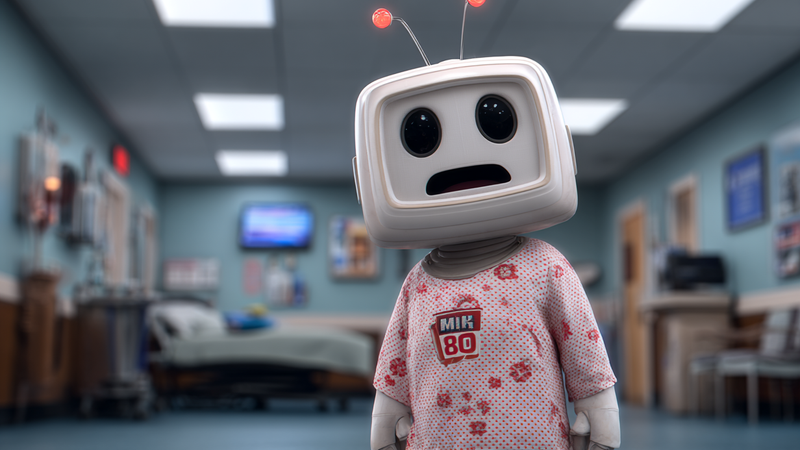
Still, this is a big psychological shift. Once people associate AI with health, trust becomes the currency. The promise is obvious. Less paperwork, faster insights, and more time for actual care. But health is also where mistakes matter most, and where confidence without context can be dangerous. ChatGPT Health feels like OpenAI putting on a lab coat and saying, we know the stakes are higher here. If it’s used as intended, behind the scenes and alongside professionals, it could genuinely improve outcomes. If it drifts into consumer overconfidence, things get murkier fast. This is a careful step into a very sensitive room.
Algorithm Precriptions
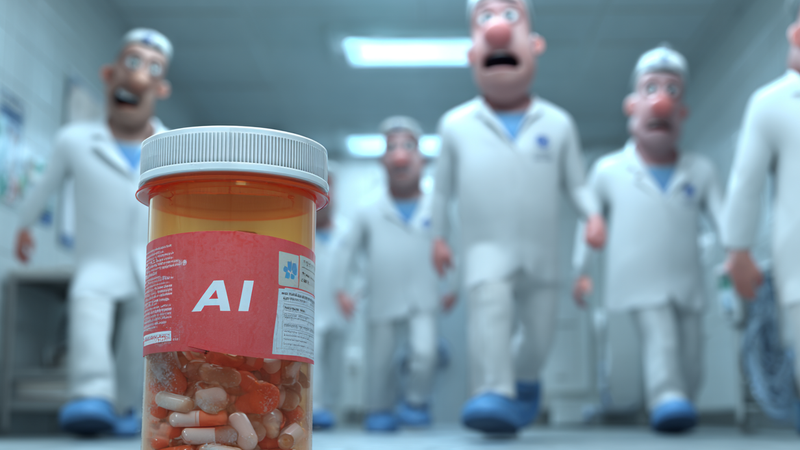
For the first time ever, parts of the US healthcare system are allowing artificial intelligence to renew and prescribe certain medical prescriptions with no human involvement. These are limited, low-risk medications, think routine refills and well-understood treatments, but the significance is huge. The AI systems assess patient history, eligibility, and compliance, then issue prescriptions automatically. Regulators have signed off on this as a way to reduce clinician workload and speed up access to care, particularly in overstretched systems.
This is one of those moments where convenience and discomfort arrive together. On paper, it makes sense. If an algorithm can safely handle a repeat prescription, why make someone wait weeks for a sign-off? In practice, it forces us to confront how much trust we’re willing to place in systems we don’t fully see. Healthcare has always been human-led, not just because of expertise, but because of accountability and empathy. Removing the human entirely is efficient, but it’s also a cultural shift. This is not AI assisting medicine anymore. It’s AI acting within it. Once that line moves, it rarely moves back.
The AI War wages on

Elon Musk’s lawsuit against OpenAI is officially heading to trial. A US federal judge has refused to dismiss the case, ruling that there’s enough disputed evidence for a jury to decide what really happened behind closed doors. Musk claims OpenAI abandoned its original non-profit mission and broke agreements by shifting towards a commercial, Microsoft-backed model. OpenAI strongly denies this, arguing its evolution was necessary to survive and scale. Now, a jury will be asked to untangle one of the most important origin stories in modern tech.
This is bigger than a founder falling out with his former company. The trial cuts to the heart of how AI power is built and who gets to control it. Was OpenAI ever meant to stay idealistic, or was commercialisation inevitable once the stakes became global? A courtroom is a strange place to resolve philosophical questions about humanity’s future, but here we are. Whatever the outcome, this case will shape how AI companies write their founding promises from now on. Mission statements are no longer just vibes. They might end up as legal documents.