
Big Short Bets Against AI, Kim K's ChatGPT Study Buddy, AI Hospital Bills
7th November
Welcome to The Aigency Works Dispatch, your backstage pass to what's fresh, fascinating, and flying off the innovation shelves in the world of AI. From breakthrough tools to bold new use cases, we're serving up bite-sized updates to keep you (and your Aigents) ahead of the curve. Let's dive into what made waves last week
Billionaire Bets Big (Again)
Michael Burry - the man made famous by The Big Short for calling the 2008 financial crisis before everyone else - is now shorting the AI boom. Recent SEC filings show Burry has taken billion-dollar positions against tech’s hottest darlings: Nvidia and Palantir. In plain English, he’s betting that the AI hype has gone too far and these two giants are overpriced. Nvidia is the world’s dominant AI chipmaker, and Palantir sells intelligence software used by governments and corporations everywhere. Both have seen share prices skyrocket with the AI gold rush, and Burry clearly thinks the party’s over - or at least due for a hangover.
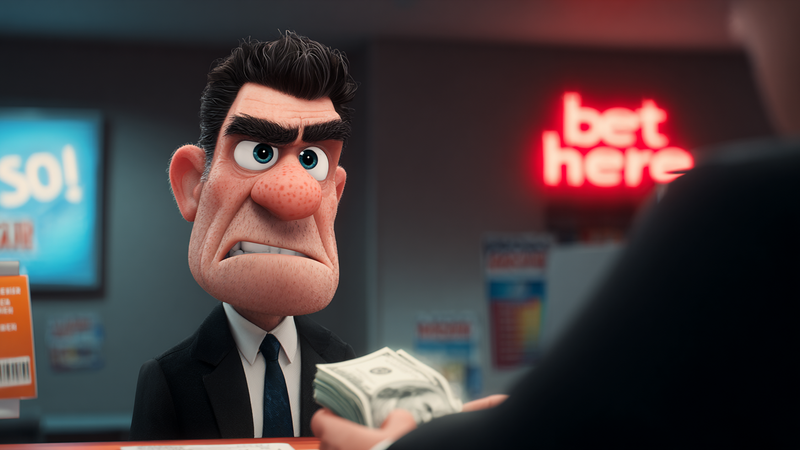
Opinion time: is he calling another bubble, or just being the grumpy uncle at the AI family reunion? While it’s easy to gasp when someone bets against the most successful companies of the decade, Burry has form. But the AI market isn’t just hype - it’s creating real products, real revenue, and real infrastructure. Betting against AI in 2025 is like betting against fridges in the 1950s. Still, whether he’s wrong or right, the move shows one thing clearly: even the smartest money in the room can’t decide if AI is a rocket ship or a balloon. And we’ll only know who’s right when the dust - or the stock price - settles.
AI Hospital Bill Helper
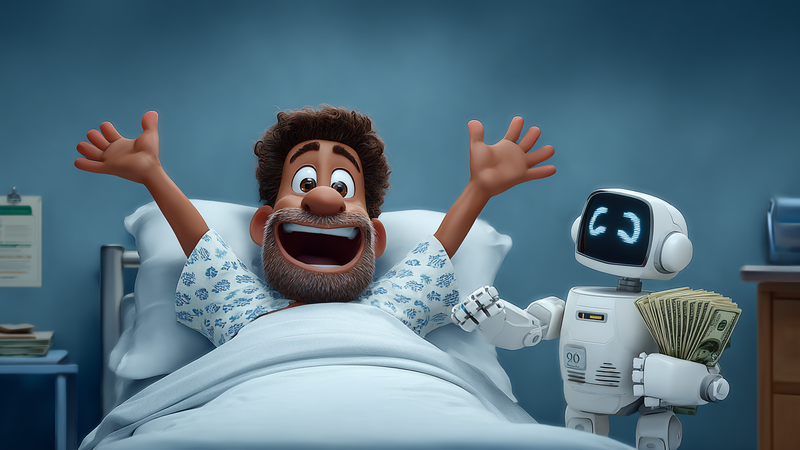
A man in the US was billed $195,000 for just four hours in hospital after his insurance lapsed. Instead of accepting a lifetime of debt and eating tinned beans forever, he turned to Anthropic’s chatbot Claude. He fed the AI all his medical paperwork, billing codes, and insurance forms - then asked it to build an argument for why the cost was unreasonable. Claude generated a detailed appeal letter with legal references, itemised billing errors and negotiation tactics. The result? The hospital slashed the bill down to $33,000. Still eye-watering, but a $162,000 saving thanks to a chatbot that doesn’t even have a medical degree.
This story says so much about modern healthcare: your life can literally depend on paperwork, codes and the ability to argue your case. AI isn’t just answering questions now - it’s becoming a financial bodyguard, especially in a system where billing is more complex than brain surgery. The ethical irony is wild: the same tech people fear will “replace jobs” is currently helping everyday people fight billion-dollar institutions. And while £26,000 for four hours in ICU still feels like daylight robbery, AI did what humans often can’t - read 100 pages of small print without crying, then hit reply with receipts.
Kim K's Study Buddy
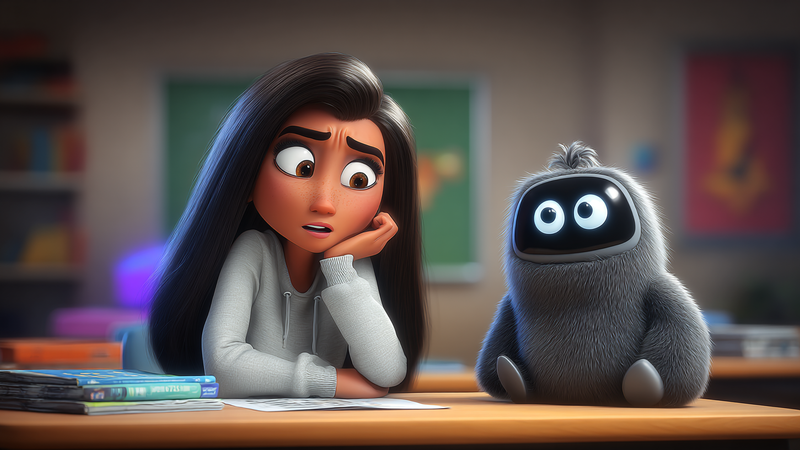
Kim Kardashian revealed she’s been using ChatGPT to help her revise for her law exams. She takes pictures of her test questions, uploads them to GPT, and waits for AI magic. The problem? The answers are often wrong. Not just “slightly off” wrong - “making her fail practice tests” wrong. Imagine hiring a private tutor who confidently gives you nonsense. Kim says she gets frustrated because she wants to trust the AI, but keeps learning the hard way that not all chatbots are equal, and not all answers are accurate.
There’s something almost poetic about one of the world’s most famous influencers arguing with a chatbot like it’s a flaky study partner. And to be fair, she’s not alone - millions of students now treat AI like a homework machine. The issue is, large language models aren’t calculators. They don’t know things - they predict things. Sometimes brilliantly. Sometimes disastrously. And just like a real-life mate who swears they “did law at uni”, confidence doesn’t equal correctness. The real lesson here? AI doesn’t replace studying. It’s just another tool - and like any tool, if you don’t know how it works, you’ll end up with a bookshelf that collapses or, apparently, a failed law exam.