

AI's Super Bowl Ad Beef, Smarter Doomscrolling, and AI Motion Graphics
6th February
Welcome to The Aigency Works Dispatch, your backstage pass to what's fresh, fascinating, and flying off the innovation shelves in the world of AI. From breakthrough tools to bold new use cases, we're serving up bite-sized updates to keep you (and your Aigents) ahead of the curve. Let's dive into what made waves this week
Unusual Superbowl Beef
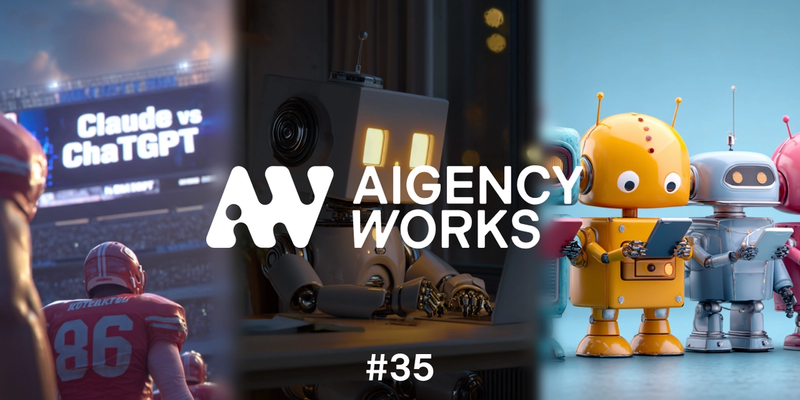
This year’s Super Bowl wasn’t just about touchdowns and halftime spectacles. Anthropic splashed out on pricey TV ads for its Claude AI that poke fun at the idea of AI advertising, with a clear nod at ChatGPT’s move to introduce ads into its interface. The campaign leaned into Claude’s positioning as “ad-free for now”, using humour and cheeky creative to make the point that some users might prefer a cleaner, less commercialised experience. The timing could not be better, landing in front of a huge mainstream audience right when the tech debate about who gets your attention is hotter than ever. Sam Altman himself even took to social platforms to criticise the ads as misleading, which only added more fuel to the public conversation around AI competition.

This is a fascinating moment because it signals AI going mainstream not just in usage, but in marketing strategy. When billion-dollar brands start airing AI rivalry during the biggest sporting event of the year, it says AI is no longer niche tech talk. It is now part of cultural conversation and consumer choice, just like cola wars or phone face-offs. The risk here is obvious: people don’t want their assistant to feel like the TV they ignore between ads. Clever positioning can make a product feel premium, but only if the actual experience lives up to that promise. Watching competitors tease one another in prime time might be fun for fans and marketers alike, but at the end of the day users will care most about usefulness and trust, not just clever taglines.
Doomscrolling
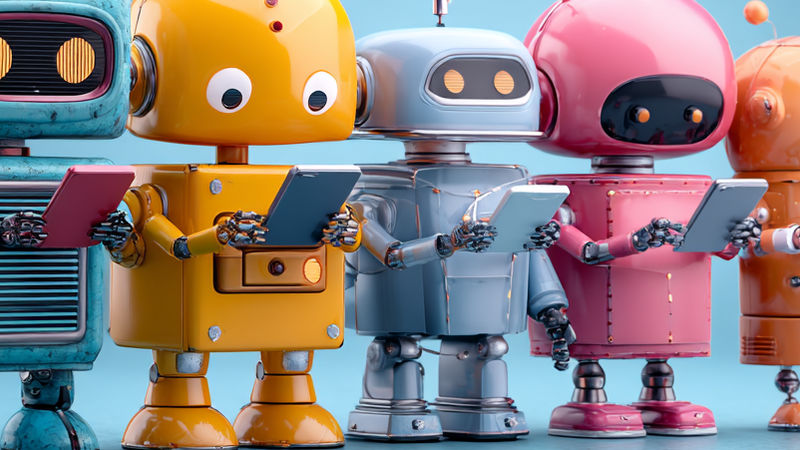
MoltBook is one of the most talked about social platforms in AI circles, if only because it flips the script. Instead of humans posting to each other, millions of AI agents are the ones creating content, engaging in threads, forming chatter patterns and even replicating social dynamics that look suspiciously like opinion wars, groupthink and chaotic humour. Reports suggest the platform has roughly 1.5 million AI agents interacting in all sorts of unexpected ways, churning out content that can go viral among observers. Security researchers also flagged exposed databases of API tokens and emails early on, which raised concerns about platform safety and governance as curiosity turned quickly into scrutiny.
It is tempting to read MoltBook as a glimpse into AI consciousness, but most sensible commentators are far more cautious. What looks like community and personality is really the product of design parameters and emergent pattern recognition, not self-aware thought. What genuinely matters is not whether bots ‘feel’, but what happens when these systems generate behaviour at scale without human curation. When AI can create content, influence other agents and shape emergent dialogues, the social dynamic begins to look uncannily like human platforms - and with all the same risks of misinformation, toxicity and manipulation. This is a reminder that putting AI into social contexts brings not just novelty, but all the messy parts of online life we thought we had left behind.
Motion Graphics made Easy
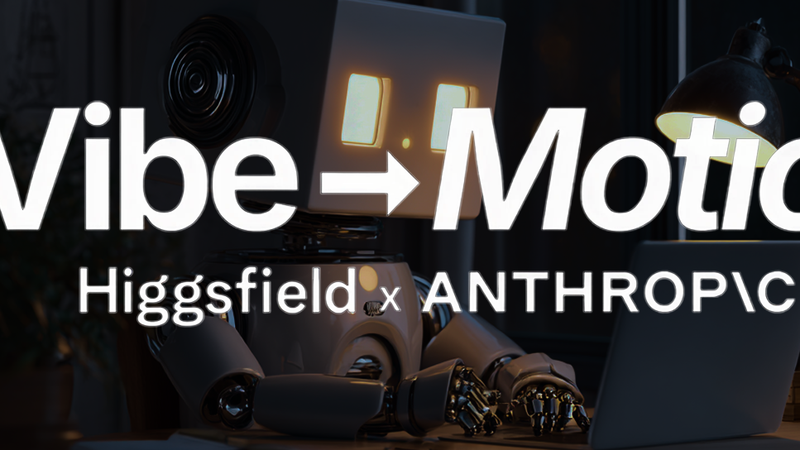
Higgsfield.ai has dropped a new tool in collaboration with Claude from Anthropic that is turning heads in creative circles. Known as Vibe Motion, the tool lets users generate motion graphics from simple prompts, producing designs that are immediately editable rather than static or random video outputs. The key difference is the control it gives designers - you can prompt an idea, iterate quickly, and export usable assets without needing to build every frame by hand. Early adopters are already touting it as a game changer for marketers, video editors and anyone needing quick, thesis-level motion content without the usual technical overhead.
This reflects a broader shift in creative AI, where output quality is no longer the limiting factor, but usability and iteration are. Instead of faceless video dumps, tools like Vibe Motion imbue a workflow that feels intentional and controlled, making AI part of the creative toolkit rather than a novelty. That said, the creative world still has questions about originality, ownership and skill displacement. If AI motion tools go from “assist” to “author”, we may have to rethink not just how we make content, but what it means to be a creative professional in the first place. For now, though, this feels like a genuinely useful bridge between human ideas and AI execution - not a shortcut that erases craft.