

AI Robots Enter the Home, ChatGPT Launches in India, Fantasy's AI Piracy War
3rd November
Welcome to The Aigency Works Dispatch, your backstage pass to what's fresh, fascinating, and flying off the innovation shelves in the world of AI. From breakthrough tools to bold new use cases, we're serving up bite-sized updates to keep you (and your Aigents) ahead of the curve. Let's dive into what made waves last week
Domestic Droid Drama
1X Technologies has unveiled NEO, a humanoid house robot designed to handle real-world domestic work. Think vacuuming, laundry, tidying, loading the dishwasher - the stuff you never want to do after a long day. NEO isn’t sci-fi smooth like a movie android, but the engineering is serious: articulated hands, vision-based object recognition, and dexterity good enough to fold clothes with actual fingers rather than plastic tongs. It can navigate hallways, detect fragile items and pick up messes at toddler height, which is exactly where most mess lives. More importantly, 1X is pitching NEO as a safe, slow, non-intimidating helper that can operate in cramped homes, not a Terminator-shaped product demo. Early prototypes are already doing useful tasks, not just staged examples.
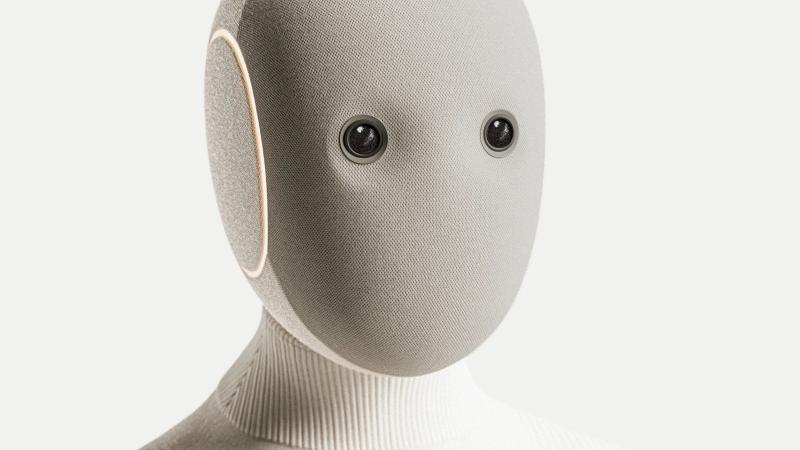
And naturally, the internet immediately freaked out. Half the world wants one by next Tuesday, the other half is convinced we’ve built a robot nanny that will unionise by Christmas. In reality, NEO shows how far robotics has come – and how boring the future will be. Not doomsday, just fewer arguments over who forgot to take the bins out. But there’s a bigger shift hiding in plain sight: robots are leaving research labs and stepping into everyday homes. While Silicon Valley fights over chatbots that can write poems, 1X is quietly trying to replace chores with automation you can literally point at the laundry basket. If they can make it affordable, safe, and genuinely useful, this could be the start of AI you don’t talk to - you just delegate to. Alexa can play music, but NEO might finally be the one who picks up the toys.
ChatGPT for India
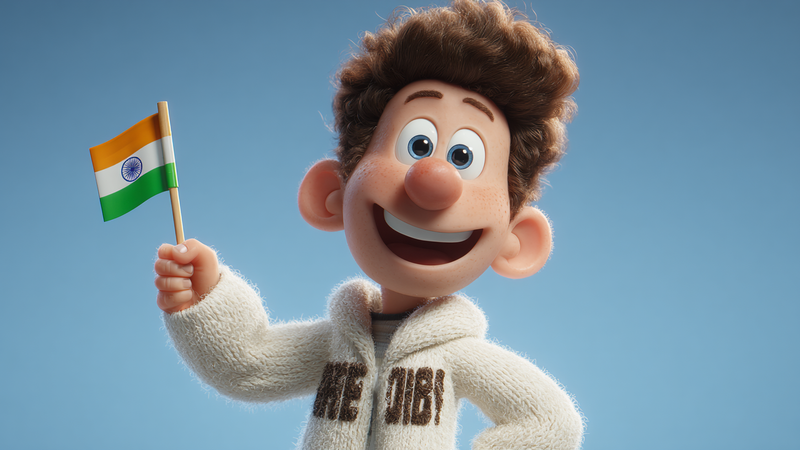
OpenAI has made a bold move: ChatGPT Go is now free for a year in India. That’s 1.4 billion people with access to a productivity and learning tool that normally costs real money. In a country where smartphones are everywhere and data is cheap, this could be one of the most influential AI rollouts of the decade. We’re not talking about wealthy tech hubs - we’re talking students, freelancers, neighbourhood stores, small creators and millions of people who’ll use AI for work, study and side-hustles. It’s the world’s biggest real-world experiment in democratised AI. If adoption sticks, India becomes the largest test bed for whether conversational AI can lift skills, support new businesses and change how everyday people work.
Here’s the commercial reality: this is not charity, it’s strategy. India is the fastest-growing digital market on the planet and OpenAI has just handed out free samples to an entire nation. If they become habitual users, the long-term payoff is colossal. But it’s also smart for AI literacy - once you know what AI can do, you can demand better tools, better data, better regulation. And honestly, this levels the playing field. Silicon Valley always launches with English-speaking, tech-savvy audiences first. India skipping the “expensive early access” phase and jumping straight to widespread capability is massive. Whether you love or hate OpenAI, this move could accelerate education, entrepreneurship and innovation faster than any government programme ever has. Free might just change the future.
Pirates Vs Dragons
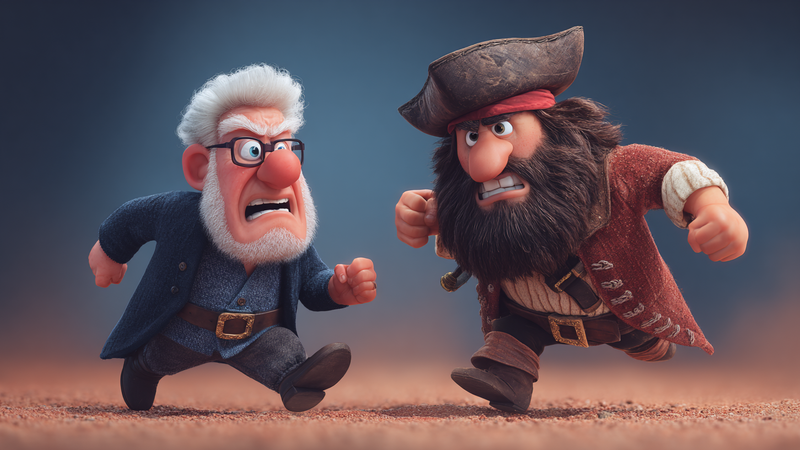
George R.R. Martin - yes, the man who still hasn’t finished Winds of Winter - is suing OpenAI over claims that his writing was scraped and used to train models without consent. And he’s not alone. The lawsuit comes with heavyweight backing from US publishing groups and other authors arguing that AI models are quietly swallowing copyrighted work and spitting out imitation. This isn’t just a grumpy author with dragon-shaped grudges. It’s a major test case for whether creators can reclaim control of their IP in a world where training data is scraped at industrial scale. If the court rules in favour of Martin and co, it could force AI companies to show where their data came from, who owns it, and whether they paid for it.
And honestly, that’s a good thing. AI isn’t going away, but neither should the rights of creators who built the stories, worlds and characters the rest of us love. If AI is trained on your life’s work, you deserve transparency, consent and compensation. That’s not anti-innovation - it’s basic fairness. The creative world has every reason to push back before “opt-out” becomes the long-term norm. OpenAI and others will argue that fair use allows data scraping at scale. Courts may disagree. And if Martin wins, AI companies might need to rebuild training pipelines with licensed data, proper royalties, and actual permission. Imagine a future where writers earn every time an AI produces text in their style. It could turn piracy into revenue. And maybe, just maybe, it’ll motivate George to finish the next book.