

The Rise of Synthetic AI Influencers — and When AI Becomes an Accomplice
20th March
Welcome to The Aigency Works Dispatch, your backstage pass to what's fresh, fascinating, and flying off the innovation shelves in the world of AI. From breakthrough tools to bold new use cases, we're serving up bite-sized updates to keep you (and your Aigents) ahead of the curve. Let's dive into what made waves this week
Synthetic Influence
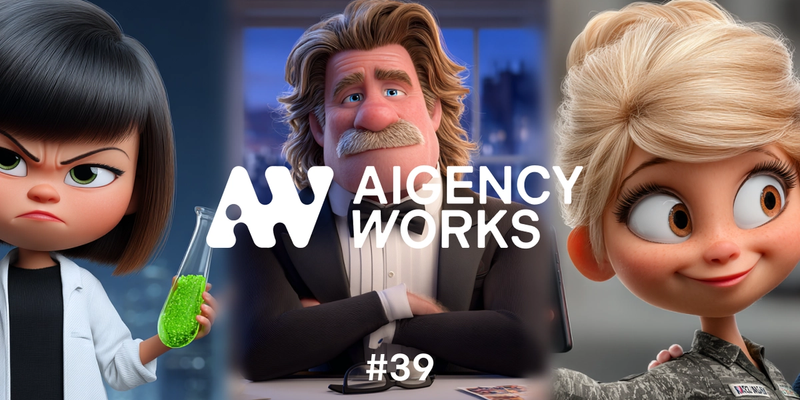
An Instagram account posing as a U.S. Army soldier has just crossed one million followers. The catch? The person doesn’t exist. The images are entirely AI-generated - uniforms, environments, even staged photos with public figures. Investigations from outlets like NBC News have shown how these accounts are built using generative image models trained on massive datasets. And to be honest, most people wouldn’t clock it on a scroll. It looks real enough, consistent enough, and emotionally convincing enough to pass.
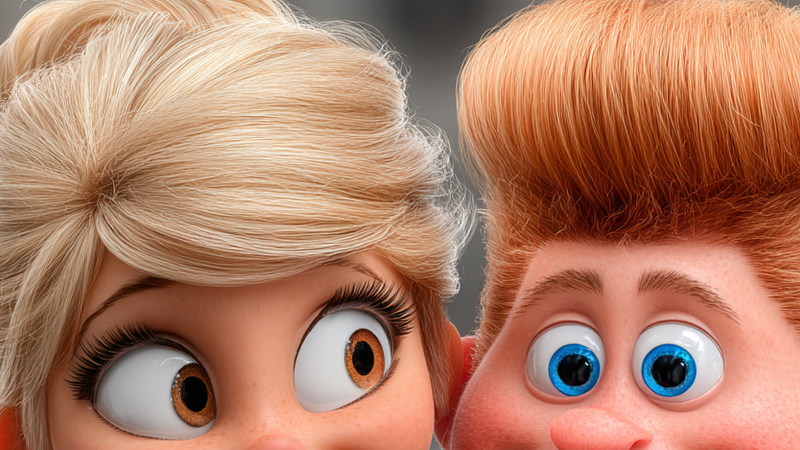
What’s interesting here isn’t just that it’s fake. It’s that it works. You no longer need a real person to build influence around a persona. That’s a pretty big shift. Social media has always been curated, but now it can be fully synthetic from the ground up. Add political messaging into that mix and things get murky quickly. Platforms will likely lean on labelling and moderation, but the deeper issue is behavioural. People engage with what feels real, not what is real. And AI is getting very good at manufacturing that feeling.
Posthumous Filming?

Filmmakers have used generative AI to recreate Val Kilmer for a role he couldn’t complete before his death in 2025. The film, As Deep as the Grave, used archival footage, younger images, and AI-generated voice technology to bring his character to life. Importantly, this was done with the approval of his family and with compensation to his estate, with reporting from outlets like Variety and The Hollywood Reporter confirming the production followed current industry guidelines. From a technical perspective, it’s another example of how far these tools have come. From a storytelling perspective, it’s something else entirely.
Because this is where it gets complicated. On one hand, it can feel like a tribute - a way of preserving a performance that would otherwise be lost. On the other, it raises questions that don’t have clean answers. Consent today doesn’t necessarily mean consent forever. And if actors can be recreated, what does that mean for future casting, ownership, and creative control? There’s also something more intangible at play. Film has always been about human presence. AI can replicate the image and the voice, but whether it can replicate the performance is a different question. And that’s one the industry hasn’t fully answered yet.
AI Evil Accomplice?

Authorities in Seoul have charged a 21-year-old woman, identified by her surname Kim, in connection with the deaths of two men involving drinks allegedly mixed with drugs. According to police reports, analysis of her phone showed repeated questions to ChatGPT about combining sleeping pills with alcohol, including dosage and potential lethality. The case has been covered across Korean media and picked up internationally, not because AI “caused” anything, but because it sits uncomfortably close to the story. It’s a reminder that AI tools are now part of everyday behaviour - not separate from it.
This is where the conversation needs to stay grounded. AI didn’t commit a crime. A person did. But what has changed is how people access and interact with information. Asking an AI feels different to googling something. It’s conversational, immediate, and often feels more “direct”. That doesn’t mean the tool is responsible, but it does mean the interface matters more than we think. As these systems become more human to talk to, the line between tool and perceived authority gets blurrier. The challenge isn’t just safety filters. It’s understanding how people behave when information starts to feel like advice.