

Claude Turns Code Into Canvas, and Microsoft's New AI Cowork Mode
20th February
Welcome to The Aigency Works Dispatch, your backstage pass to what's fresh, fascinating, and flying off the innovation shelves in the world of AI. From breakthrough tools to bold new use cases, we're serving up bite-sized updates to keep you (and your Aigents) ahead of the curve. Let's dive into what made waves this week
Code to Canvas
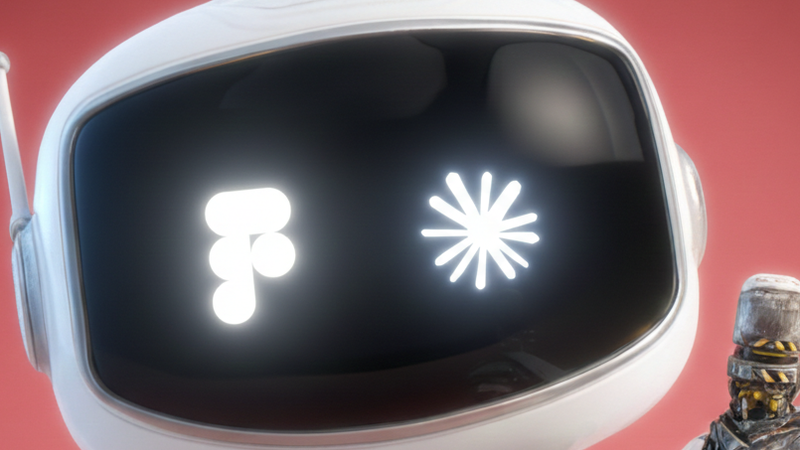
Figma has teamed up with Anthropic to launch a new feature called Code to Canvas, and it is basically trying to solve one of the most annoying gaps in modern product building. The tool lets AI-generated code, including output from Claude Code, be imported straight into Figma and converted into fully editable design files. Not screenshots. Not locked mock-ups. Real, layer-based designs you can tweak, move around, and iterate on. The idea is simple: if AI can already generate interface code, why should designers have to rebuild it from scratch just to work on it visually?
This is a big deal because it quietly reshapes the relationship between design and development. Historically, those worlds have always had friction. Something gets coded, then redesigned, then recoded, in an endless translation loop. Code to Canvas starts to collapse that gap. But it also nudges a deeper shift. If AI can produce usable UI structures instantly, the value of design work moves further upstream. Less time pushing pixels, more time shaping experiences, decisions, and taste. It is not replacing designers, but it is definitely changing what their most valuable contribution looks like.
Meta Ghostwriter?

Meta has been granted a patent describing a system that could simulate a user’s social media activity using historical data and large language models. The filing outlines how AI could analyse someone’s past posts, replies, tone, and behavioural patterns to generate new content that looks exactly like something they would have written themselves. In theory, the system could continue posting, responding, and interacting in ways that mirror a user’s established online identity. It is not a confirmed product, but patents often show where companies are quietly exploring next.
This is one of those ideas that immediately feels unsettling. Social media already struggles with authenticity, bots, and blurred reality. A system that can convincingly replicate a person’s digital voice takes that tension to a new level. Even if the intended use is harmless, like automating engagement or preserving a digital legacy, the potential for misuse is enormous. It raises fundamental questions about ownership of identity. If an algorithm can act as you online, where does the real you stop? It might sound futuristic, but it touches a very present concern. Trust online is fragile, and systems like this risk stretching it even thinner.
Cowork reaches Windows

Claude Cowork has officially landed on Windows, and it signals a shift in how AI wants to show up at work. Instead of just chatting with an assistant, the focus here is on delegation. Users can assign tasks, track progress, and let the AI handle multi-step workflows such as analysing documents, synthesising research, or managing ongoing projects. It is designed to hold context over time, meaning you are not starting fresh with every interaction. The aim is clear: move AI from a question-answer tool into something that looks much more like a digital team member.
What makes this interesting is not the capability itself, but the mindset shift it encourages. We are moving from “ask AI for help” to “give AI responsibility”. That is a very different relationship. It promises efficiency, but it also raises expectations around reliability and accountability. When AI answers a question incorrectly, it is an inconvenience. When it executes a task incorrectly, it becomes a problem. This is where the real test begins. Delegation only works when trust exists, and trust takes time to build. Claude Cowork is less about smarter responses and more about redefining how we think about collaboration in an AI-first workplace.