

'AI Jesus' Goes Viral, Apple Pulls Back From AI, AI Security Masks Emerge
20th November
Welcome to The Aigency Works Dispatch, your backstage pass to what's fresh, fascinating, and flying off the innovation shelves in the world of AI. From breakthrough tools to bold new use cases, we're serving up bite-sized updates to keep you (and your Aigents) ahead of the curve. Let's dive into what made waves last week
Holy AI
The Swiss city of St Gallen has quietly become the unlikely hub of digital divinity after its local church unveiled an AI powered Jesus you can literally chat to. Visitors can step inside, ask their questions and receive calm, scripture infused answers delivered by a glowing digital Christ that never gets tired, never forgets a verse and never asks for a cup of tea. Designed as part of an installation exploring modern spirituality, the system blends a large language model with centuries of archived religious texts, letting people ask anything from theological conundrums to everyday life worries. Early attendees say it feels a bit surreal but oddly comforting, like confession meets customer support. And yes, the digital Jesus apparently answers politely even when you push your luck.

The bigger question here is what this does to modern faith. On one hand, it is a bold attempt to make ancient teachings accessible in a world where most people would rather DM a chatbot than read a dusty sermon. On the other, it sparks a proper existential wobble about how far we let AI mediate human belief. Does a divine chatbot deepen spiritual connection or dilute it into content on demand. Either way, churches exploring AI feels like a sign of the times. Institutions built on centuries of tradition are testing tools that can generate a psalm in seconds, and that tells you everything about where society is headed. The line between sacred and synthetic just got another gentle nudge.
Apple says no to AI
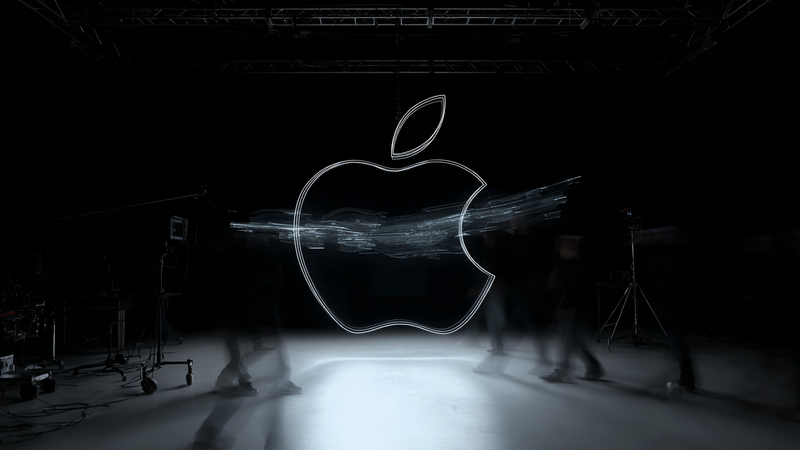
Apple has released its latest Apple TV ad and the most surprising thing about it is what is missing. No CGI skies, no AI generated actors drifting around the frame, no synthetic shortcuts. Instead, the entire production leans into practical effects, real props and an absolutely massive build crew. Everything you see on screen was crafted, rigged, lit and shot the old fashioned way. It is a bold move in an industry where AI driven pipelines are becoming the norm and it sends a very intentional message. For Apple, the magic of this campaign is in the craft, not the compute. According to the production team, even scenes that could have been solved with a quick VFX pass were rebuilt physically to preserve authenticity.
This feels like Apple planting a very shiny flag. At a time when every brand is racing to slap generative tricks onto everything, Apple is quietly saying that not every problem needs to be solved with a model. Creativity is still built on real hands, real set design and a real production crew who know how to make something beautiful without a GPU cluster humming in the background. It is also a clever piece of positioning for Apple TV, reminding audiences that quality entertainment still comes from human artistry. But make no mistake, Apple is not rejecting AI entirely. They are just choosing when it adds value rather than using it as a novelty. Consider it a course correction in an industry that loves a shortcut.
Mask the Machine
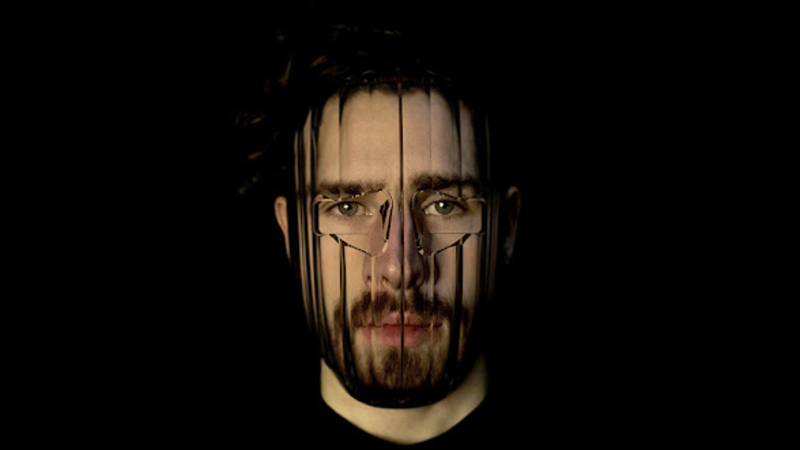
A Dutch designer at the Utrecht School of the Arts, Jip Van Leeuwenstein, has unveiled a transparent mask that completely blocks AI facial recognition from every angle. It looks like a sleek piece of futuristic PPE, but the trick lies in how it bends and refracts light, scrambling the geometry that computer vision models rely on. Cameras still capture your face, but the algorithms behind them cannot place your features, cannot track your movement and cannot identify you. It is a striking concept that sits somewhere between fashion, protest and privacy tech. With governments and corporations deploying AI surveillance at scale, this feels like the type of playful but pointed innovation the world needs more of.
This project also highlights the growing tension between personal privacy and machine intelligence. People are becoming more aware of how often they are scanned, logged and analysed in public spaces, and creatives like Van Leeuwenstein are responding with tangible, wearable resistance. The transparency of the mask is symbolic too. It disrupts the machine without hiding your humanity, which makes a refreshing change from the bulky anti surveillance gear we have seen in the past. As AI powered recognition becomes increasingly normalised, these small acts of creative dissent will become more relevant. It is a reminder that the future of tech is not just about what AI can do, but how people choose to push back with imagination.