
Sora Anime Wars, $1M AI 'Friend' Rejected, and AI Cracks Cancer Research
17th October
Welcome to The Aigency Works Dispatch, your backstage pass to what's fresh, fascinating, and flying off the innovation shelves in the world of AI. From breakthrough tools to bold new use cases, we're serving up bite-sized updates to keep you (and your Aigents) ahead of the curve. Let's dive into what made waves last week
Anime'nt Yours
🇯🇵 Japan just made its stance crystal clear - anime, manga, and game art aren’t fair game for AI training. The government has officially warned OpenAI about how its new Sora 2 model handles Japanese creative content, claiming it’s been trained on cultural works without clear consent or copyright safeguards. They’re asking OpenAI to swap its opt-out policy (where creators have to say no) for an opt-in one (where creators say yes first). On top of that, Japan wants faster ways to remove unauthorised material, fairer systems for compensation, and full transparency around how generative AI tools use local IP.
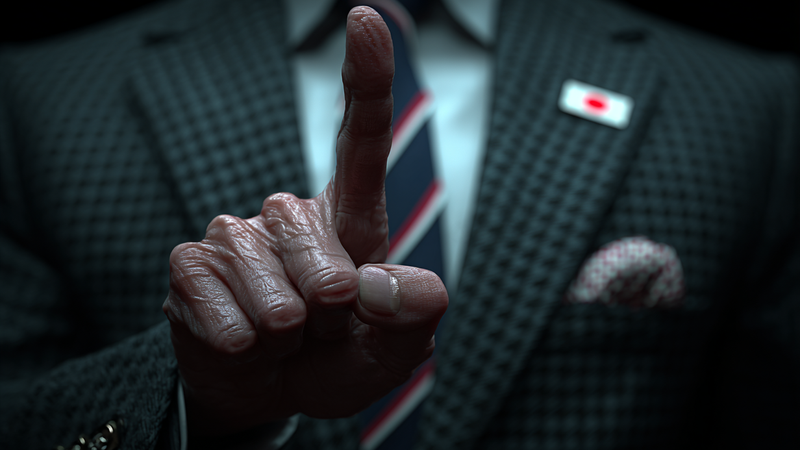
Anime and manga aren’t just entertainment - they’re Japan’s cultural exports, worth billions and deeply tied to national identity. Lawmakers have said that repeated misuse could trigger legal action under the new AI Promotion Act, which is meant to protect innovation without erasing artistry. OpenAI has responded by promising creators more control inside Sora 2, including new features to block copyrighted material from being pulled into its training data. The move marks a growing global tension between AI innovation and creative ownership - and Japan’s making it clear that cultural respect isn’t optional in the AI age.
Friend Request Denied
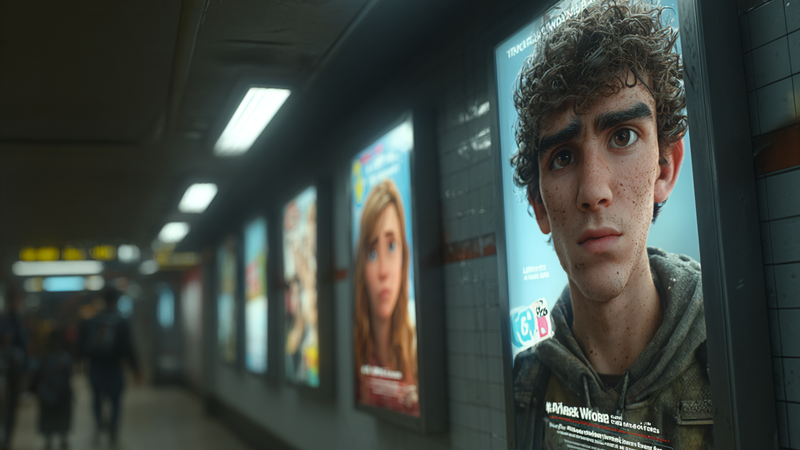
🗽 New York’s latest AI experiment didn’t quite make a friend. The startup Friend splashed over $1 million on subway ads promoting its wearable AI companion - a sleek pendant designed to chat with you throughout the day like a digital best mate. But the city had other ideas. Within days, the posters were covered in graffiti carrying messages like “AI is not your friend” and “Human connection is sacred.” What started as a glossy tech launch quickly became a viral backlash, with commuters posting photos of the vandalised ads across social media.
It’s not Friend’s first bold move - or first controversy. Last year, the company spent a cool $1.8 million buying friend.com, claiming the domain would pay off in brand equity and long-term awareness. And in a way, it has. The campaign has sparked heated debate about loneliness, authenticity, and how far AI should go in replacing companionship. Whether Friend’s next chapter is redemption or ridicule, one thing’s certain - they’ve made sure everyone’s talking about what it really means to have an AI as your friend.
Gene-ius Move
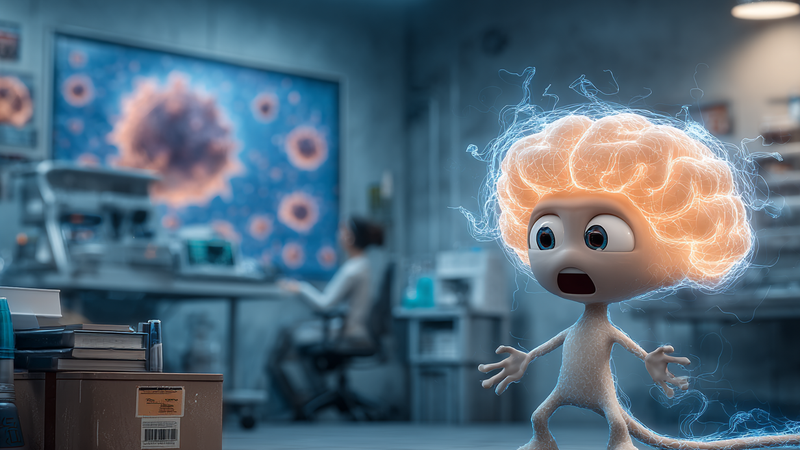
🧬 AI just made a scientific leap - and this time, it wasn’t about language or images, but life itself. Google and Yale have teamed up to build C2S-Scale 27B, an AI model based on Google’s Gemma tech, trained not on words or pictures but on real human cell data. It learned how genes and cells interact inside the body - then did something extraordinary. When asked how to fight cancer, the model proposed combining silmitasertib, a little-known drug, with a small dose of interferon, a natural immune booster. Its prediction? The mix would make cancer cells easier for the immune system to detect and destroy.
Researchers at Yale tested it - and it worked. The drug alone had no effect, the immune booster did a bit, but together they triggered a strong immune response exactly as the AI forecast. It’s one of the first times an AI-generated scientific hypothesis has been proven true in the lab. Beyond the buzz, this breakthrough could reshape how new medicines are discovered - transforming AI from a tool that summarises science into one that creates it.