
AI Mechanic Debuts, Sleep Research Breakthroughs, Stranger Things Drama
16th January
Welcome to The Aigency Works Dispatch, your backstage pass to what's fresh, fascinating, and flying off the innovation shelves in the world of AI. From breakthrough tools to bold new use cases, we're serving up bite-sized updates to keep you (and your Aigents) ahead of the curve. Let's dive into what made waves this week
Nap Map
Stanford researchers have just dropped a reminder that your bed might be doing more work than you think. Their new AI model, SleepFM, can analyse data from just one night of sleep and flag early warning signs for more than 130 different health conditions. We are talking heart disease, diabetes, sleep apnoea, neurological disorders, and a whole range of chronic illnesses that normally take months or even years to detect. The model works by looking at patterns in breathing, heart rate, movement, oxygen levels and sleep stages, using data from wearables and medical-grade monitors. Instead of focusing on one condition at a time, it treats sleep as a full-body health report. One night becomes a snapshot of your overall wellbeing, not just how tired you feel the next day.
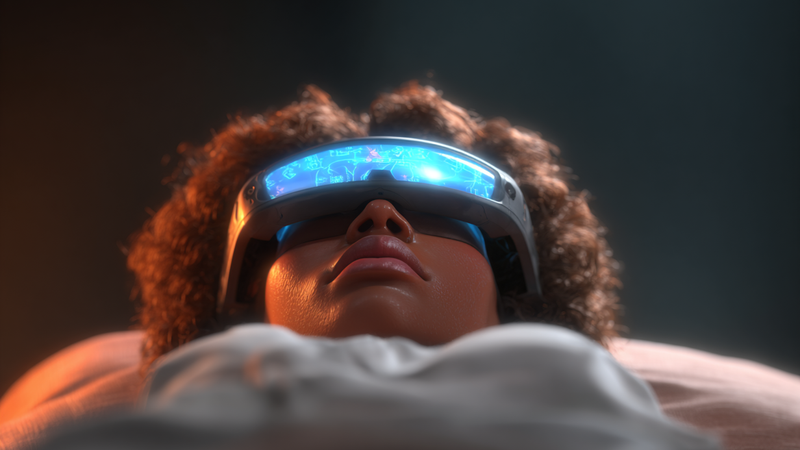
This is one of those stories that feels quietly revolutionary. We are obsessed with optimisation during the day, but we still treat sleep like downtime. SleepFM flips that on its head. It suggests your most powerful health data is generated when you are doing absolutely nothing. The opportunity here is huge. Earlier detection means earlier intervention, lower healthcare costs and potentially longer, healthier lives. The risk is over-interpretation and anxiety if this kind of tech lands in consumer hands too fast. Sleep is personal and emotional. If your mattress suddenly becomes a diagnostic tool, it changes your relationship with rest. Still, if AI is going to earn its place in healthcare, this is exactly the sort of calm, preventative use case that makes sense.
AI Mechanic
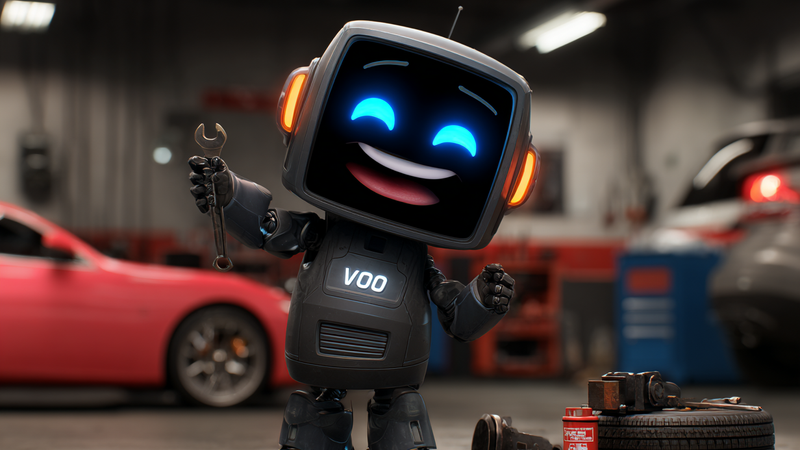
Figure Robot has just crossed a serious threshold. Its humanoid robot has now completed ten-hour shifts, five days a week, for five straight months on BMW’s X3 production line inside a live factory environment. Not a demo lab. Not a controlled showcase. A real, noisy, high-pressure manufacturing floor. The robot handles parts movement, logistics tasks, and repetitive assembly support, working alongside human staff without slowing the line down. This is one of the clearest signs yet that humanoid robotics is moving from prototype to workforce.
This is where AI stops being impressive and starts being structural. A robot doing a single shift is interesting. A robot holding down a job is a different story entirely. It raises big questions about labour, training and what work even looks like in ten years. But it also solves very real problems. Factories are struggling to hire for physically demanding, repetitive roles. If robots can safely take on that load, human workers can move into oversight, maintenance and higher-skill positions. The danger is pretending this transition will be painless. It never is. But pretending it is not coming is worse. The future of work is not humans versus robots. It is humans working in environments that are already quietly being redesigned for them.
Trouble in the Upside Down
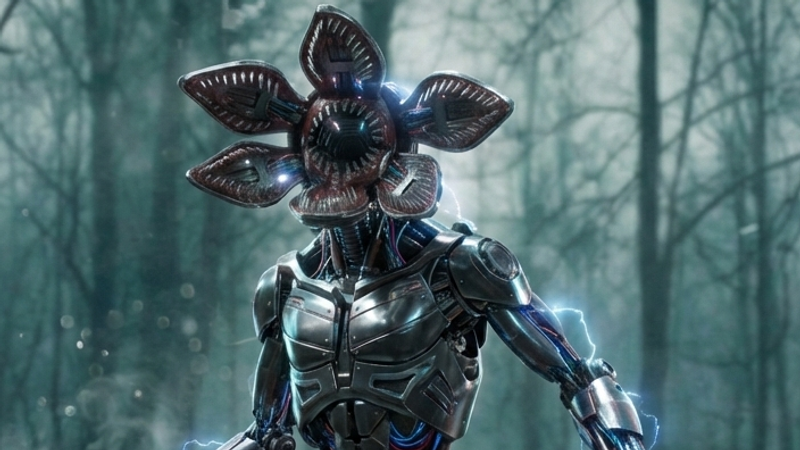
A new Stranger Things documentary on Netflix has sparked a slightly uncomfortable debate. Some fans believe they’ve spotted signs that ChatGPT may have been used during the writing of season five. The claims focus on dialogue patterns, phrasing repetition, and moments that feel more algorithmically structured than emotionally organic. Nothing has been confirmed, and Netflix has not commented, but the conversation has taken off online. For a show celebrated for its nostalgia, heart, and human storytelling, the idea that AI might be shaping its final chapter has landed badly with parts of the fanbase.
And honestly, you can see why. This is where AI starts to rub against creativity in the wrong way. Entertainment is not just about efficiency or productivity. It is about voice, risk, imperfection, and emotional texture. If audiences start to feel that scripts are being machine-assisted, it chips away at trust. Not because AI is incapable, but because it changes the meaning of authorship. People do not fall in love with franchises because they are optimised. They fall in love with them because they feel human. This is a reminder that not every industry benefits from speed and automation. Some things are supposed to be slow, messy, and deeply personal. Storytelling is one of them.