
AI-Cloned Celebrity Voices, ChatGPT's Em-Dash Problem, Refund Roulette
14th November
Welcome to The Aigency Works Dispatch, your backstage pass to what's fresh, fascinating, and flying off the innovation shelves in the world of AI. From breakthrough tools to bold new use cases, we're serving up bite-sized updates to keep you (and your Aigents) ahead of the curve. Let's dive into what made waves last week
"AI, AI, AI"
Matthew McConnaughey and Michael Caine have officially lent their voices to ElevenLabs, which means Hollywood’s most recognisable tones can now be recreated by a model instead of a microphone. It is a wild moment. You can hear early demos and instantly recognise the drawl, the rhythm, the little pauses they are famous for. Studios are already talking about using the tech for dubbing, narration and anything that usually requires actors to be on set for two lines and a sandwich. It is efficient, polished and feels like the natural next step for voice production, especially now top tier talent is openly embracing it rather than pretending AI is something happening to someone else.
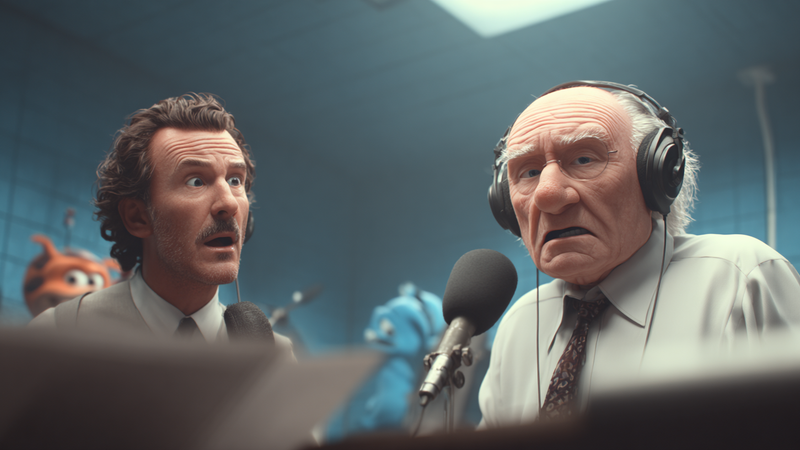
But the whole thing sits in that funny space between exciting and slightly weird. On one side, it is brilliant that actors can license their voices and get paid even when they are not physically recording. On the other, there is a lingering question about whether future blockbusters might be a touch too synthetic if half the cast is digitally reconstructed from the sofa. The difference here is consent. Both actors chose to do it, which makes it feel far more like a modern business move than some creepy studio experiment. Still, it marks a shift. A few years ago, AI voice cloning was a meme. Now it is something A-listers are signing off in contracts. Hollywood is clearly warming up to a world where a good voice does not always need a booth.
Refund Roulette
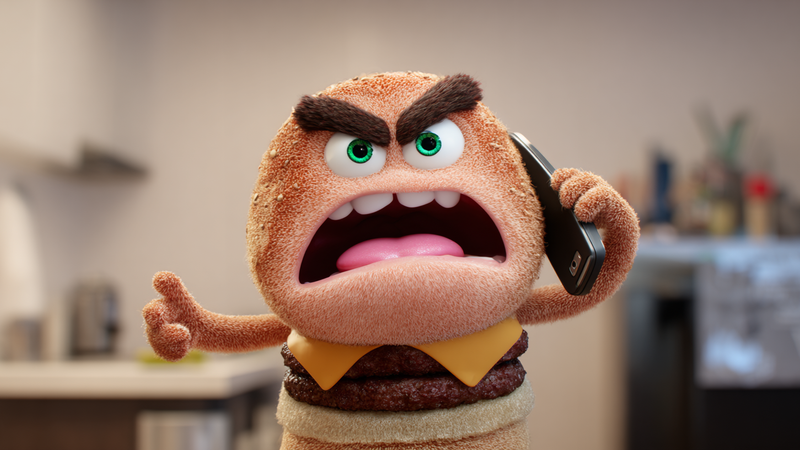
A small but chaotic trend has picked up on delivery apps. People have started generating fake images of dodgy food to get refunds. We are talking AI chicken that looks half cooked, curries that appear to have been designed by someone who has never seen a kitchen, and chips that seem to have lived a hard life. Some of the pictures floating around online are convincing enough to get a refund in seconds, especially when most support systems rely on a single photo and a sad message saying “this arrived like this.” Unsurprisingly, restaurants are starting to notice patterns. When five different customers all send in the same suspiciously glossy-looking undercooked chicken, something is clearly off.
The whole thing exposes a bigger issue. Platforms spent years automating customer service to the point where the path of least resistance became “just refund it.” When you barely check, people will push their luck. But restaurants cannot keep absorbing the cost of fake complaints, and it is only a matter of time before the industry fights back with its own AI tools to spot synthetic food. Imagine the irony of a refund request being denied because a model can tell your mouldy naan is 43 percent too symmetrical. We have created a world where both sides need machine learning to argue over a ten pound curry, and somehow that feels exactly like modern life.
Dash Detox
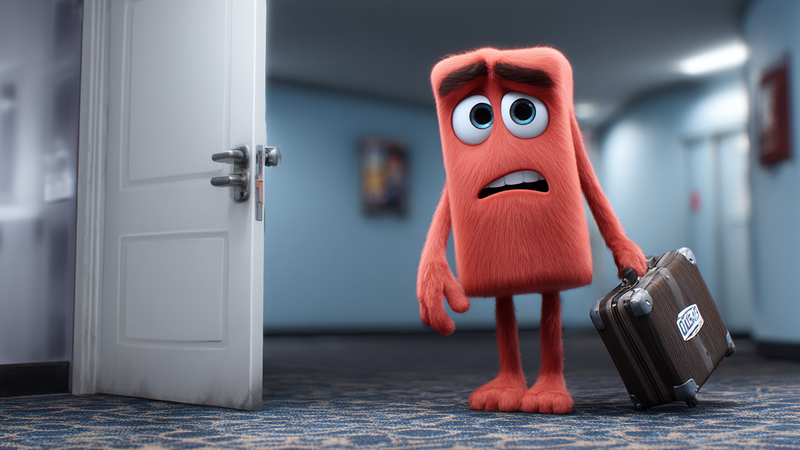
In a tiny but surprisingly joyful update, ChatGPT has finally stopped force-feeding em dashes into every sentence. Anyone who writes regularly knows how unnecessarily tense it got. You would say “please don’t use them” and it would smile and drop one in anyway. It became a running joke among editors and brand teams who had to spend half their day deleting them like digital weeds. Now the model actually listens, which feels like a small win for anyone who cares about sentence rhythm, house style or simply not looking like they are auditioning for a Victorian novel.
What is funny is how much this tiny fix changes the vibe. A model that respects small stylistic choices suddenly feels more collaborative and less stubborn. It is easier to get consistent tone, easier to maintain brand voice and easier to produce writing that feels human instead of machine stamped. It is one of those updates that is not flashy but quietly improves everything. No more hunting for rogue punctuation, no more convincing a chatbot to behave. Just clean output that actually follows instructions. If every AI tool took this approach, people might finally stop treating them like unruly interns and start treating them like something closer to a partner.