

Gen Z's AI Overreliance, AI Stock Traders, and the Scent of Memory
13th February
Welcome to The Aigency Works Dispatch, your backstage pass to what's fresh, fascinating, and flying off the innovation shelves in the world of AI. From breakthrough tools to bold new use cases, we're serving up bite-sized updates to keep you (and your Aigents) ahead of the curve. Let's dive into what made waves this week
Scent of Memory
Researchers at MIT Media Lab have unveiled a prototype device that sounds like it belongs in a sci-fi museum. It’s called the Anemoia Device, and it can turn photographs into personalised fragrances. Users place an image into the machine, where an AI system analyses its visual features, colours, objects, and emotional tone. Three physical dials then allow the user to adjust the output, while pumps at the base mix ingredients from 50 different scent reservoirs to produce a bespoke smell linked to the image. A sunset might become warm citrus and smoke. A forest photo might trigger pine and damp earth. It is an attempt to digitise one of our most powerful and least understood senses.

This is fascinating because smell is deeply tied to memory and emotion, far more than sight or sound. If AI can start generating scent experiences, it opens up new frontiers in therapy, storytelling, marketing, and even mental health support. But it also raises strange questions about authenticity. If a photo can be “translated” into a smell, who decides what it should feel like? Are we outsourcing sensory interpretation to algorithms? It sounds playful now, but it hints at a future where digital experiences are no longer limited to screens and speakers. They follow us into our bodies. Whether that feels magical or invasive will depend on how thoughtfully it is handled.
Losing Brains?
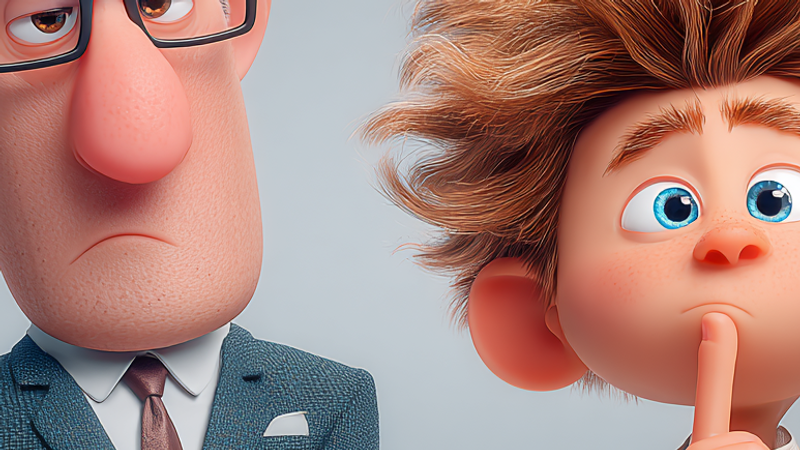
New neuroscience and education research suggests that Gen Z may be the first generation in modern history to score lower than their parents on standardised academic tests and certain cognitive measures. Studies point to declines in reading comprehension, sustained attention, memory retention, and problem-solving skills across multiple countries. Researchers link this to a mix of factors, including increased screen time, shorter attention cycles, social media habits, disrupted schooling during the pandemic, and reduced deep reading. It is not about intelligence disappearing. It is about how young brains are being shaped by their environments.
This is an uncomfortable story, especially for a generation that grew up being told it was the most digitally fluent in history. Access to information has never been easier, yet the ability to process it deeply may be weakening. That is not a failure of individuals. It is a structural issue. We have built systems that reward speed, reaction, and scrolling over reflection and focus. AI sits awkwardly in the middle of this. Used well, it can support learning and critical thinking. Used lazily, it becomes another shortcut away from effort. The real challenge is not protecting young people from technology, but teaching them how to use it without letting it rewire their attention for the worse.
AI Traders
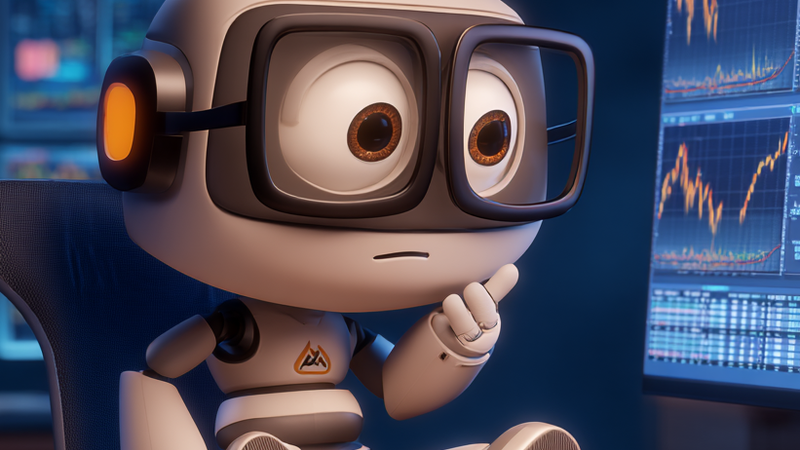
Claude is now taking part in a live investing experiment where multiple AI models are trading real financial markets side by side. Each system has been given $100,000 and allowed to operate independently, using market data, earnings reports, and news analysis with no human intervention. The AIs are making decisions on asset allocation, risk exposure, and timing, with their performance tracked against each other and against the S&P 500. The goal is to observe how different models behave under pressure, how consistently they manage risk, and whether any can outperform traditional strategies over time.
This is a glimpse into the future of finance, and it is both impressive and unsettling. On paper, AI should excel at investing. It processes more data than any human ever could and never gets tired. In practice, markets are emotional, irrational, and often driven by narratives rather than logic. Watching AIs navigate that chaos will be revealing. If they succeed, it will accelerate automation in wealth management and trading. If they fail, it will remind us that intelligence does not equal wisdom. Either way, it raises a deeper question: when machines start managing money better than people, what role is left for human judgement in financial decision-making?