

AI Kidnapping Scams, 'People' of the Year Controversy, and AI Snowmen
12th December
Welcome to The Aigency Works Dispatch, your backstage pass to what's fresh, fascinating, and flying off the innovation shelves in the world of AI. From breakthrough tools to bold new use cases, we're serving up bite-sized updates to keep you (and your Aigents) ahead of the curve. Let's dive into what made waves last week
Taken by AI
There’s a new scam in town, and it’s terrifyingly convincing. Criminals are using AI voice cloning to fake kidnappings, calling families with what sounds like a loved one screaming for help. The Federal Trade Commission in the US has issued warnings after a spike in cases, some victims losing tens of thousands before realising it was a digital deception. All scammers need is a few seconds of audio, pulled from TikToks, podcasts or YouTube videos, to build a clone that’s nearly indistinguishable from the real person. And once that voice is on the line, panic does the rest.
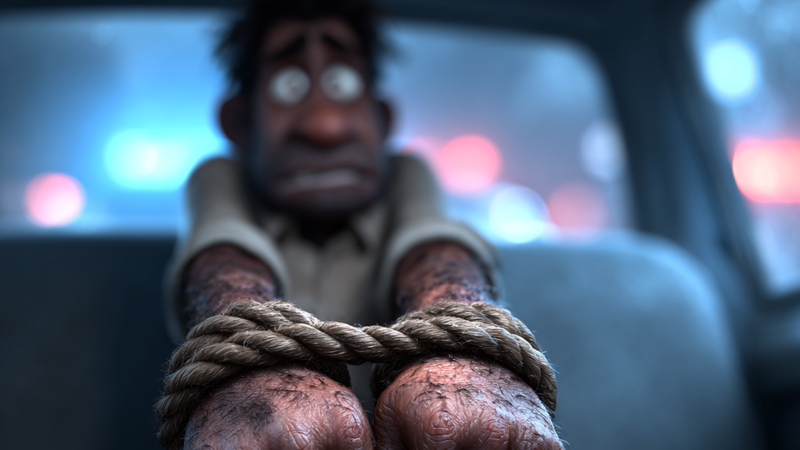
The creepiness of this isn’t just technical; it’s emotional. AI scams are no longer about dodgy emails or fake investment promises - they’re hijacking human instinct. The same tools used for creativity and convenience are now weaponised to mimic people we love. It’s a brutal reminder that as AI grows smarter, our defences can’t just be digital, they have to be emotional too. We’ll need new instincts for an era where “trust your gut” might not cut it anymore.
Heart Melting AI
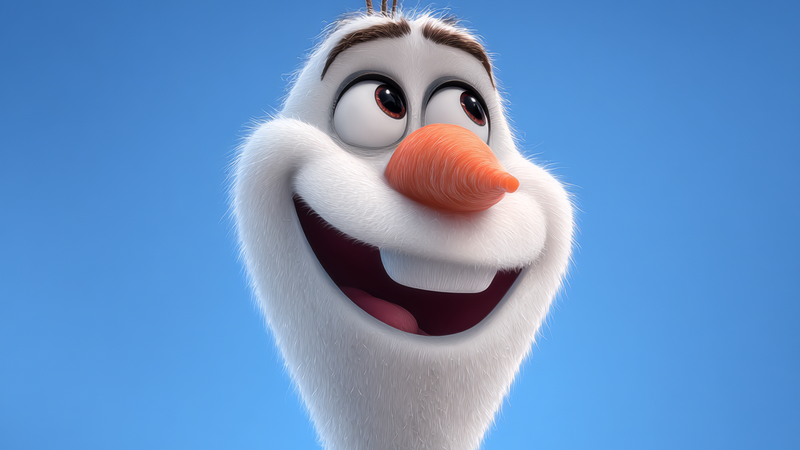
Disney has rolled out a real-life Olaf at its parks, an AI-powered robot that waddles, talks and even recognises guests. The prototype, unveiled at Tokyo Disney Resort, uses advanced motion sensors, facial recognition and conversational AI to interact naturally, delivering jokes and hugs in equal measure. It’s the latest step in Disney’s decade-long experiment to bring beloved characters to life through robotics, but this is the first time one’s been fully autonomous, roaming without a handler. Families are mesmerised; kids are chatting with a snowman that’s technically self-aware.
This is AI magic at its best, the kind that delights before it disrupts. Disney’s blending engineering, storytelling and emotional design in a way that’s pure Pixar meets Silicon Valley. Sure, it’s cute now, but the implications are enormous. Imagine walking into a park where every character is powered by conversational AI - no script, no break, no queue. It’s a glimpse at the future of entertainment, where fantasy and reality melt together like Olaf in summer. And for once, it’s a tech story that leaves you smiling.
"People" of the Year?

Time magazine has named the Architects of AI as its 2025 Person of the Year, celebrating the people driving the world’s biggest technological shift. From Nvidia’s Jensen Huang to the executives shaping billion-dollar AI empires, the cover is a roll call of power players who’ve turned algorithms into headlines, jobs, and stock surges. It’s a fitting nod to the technology that’s defined 2025 - but one that also highlights what’s missing.
Because here’s the thing: once again, women are barely there. In an industry already criticised for its gender imbalance, the cover reads like a reminder rather than a celebration. Only about a quarter of AI professionals globally are women, and even fewer make it to leadership roles. When an award like this sets the cultural tone, the lack of female representation matters. It tells young women watching from the sidelines that AI is still a boys’ club, not a space built for them. Maybe next year’s cover should feature the ones breaking that mould - not just building the machines.